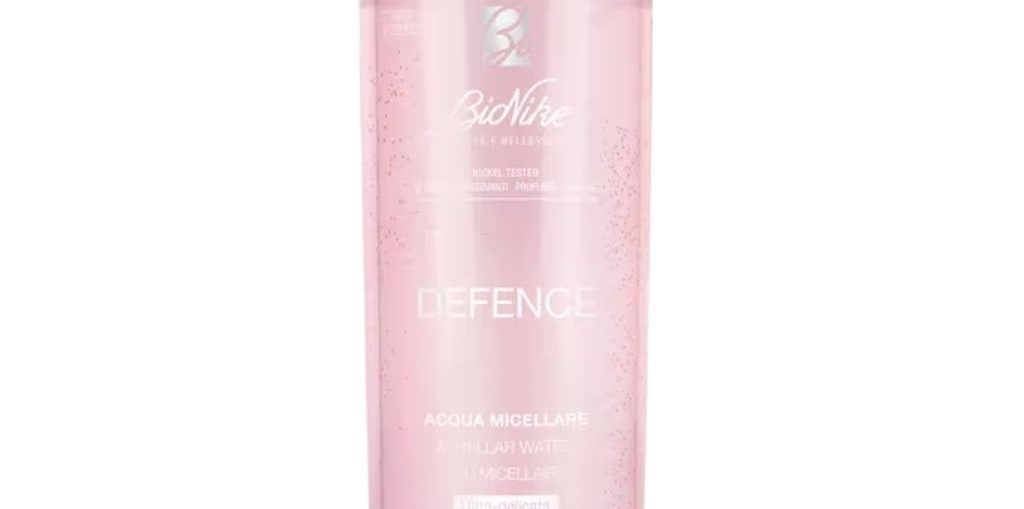
Clear skin does not happen by luck. What goes onto the face each morning and night decides everything. Some ingredients clean deeply without causing harm, while others strip away natural oils or clog pores. Learning to read labels turns a simple facewash into a true helper for healthy skin.
Good ingredients to look for:
Salicylic acid: This beta hydroxy acid goes deep into pores to break down excess oil and dead cells. It works well for oily or bumpy skin. Use it a few times each week, not every single day.
Glycerin: Glycerin pulls water into the outer layer of skin. It leaves the face soft, never tight or dry. Almost every good cleanser includes this harmless humectant.
Niacinamide: A form of vitamin B3 that calms redness and controls oil production. It also helps the skin hold onto moisture. Look for it in gentle, everyday washes.
Ceramides: These fatty molecules rebuild the skin’s natural barrier. A cleanser with ceramides cleans without breaking down protection. Perfect for dry or sensitive types.
Aloe vera: Aloe soothes irritation and reduces stinging. It feels cooling and leaves zero residue. Great for skin that turns red easily after washing.
Green tea extract: Green tea fights angry skin with natural antioxidants. It cuts down swelling and helps fade dark marks slowly. Safe for all skin types.
Bad ingredients to skip:
Sodium lauryl sulfate (sls): This harsh detergent creates big bubbles but strips away every drop of natural oil. The result: dryness, peeling, and redness. Avoid it completely.
Alcohol denat: Certain alcohols dry out the top layer instantly. They remove oil but also break down the skin’s defense system. Long term use leads to cracks and irritation.
Synthetic fragrances: Fragrance mixes contain dozens of chemicals. They trigger allergies, rashes, and contact dermatitis. Unscented options work better for daily cleaning.
Polyethylene beads: These tiny plastic bits scrub the face but never dissolve. They pollute water and create micro tears on skin. Choose biodegradable scrubs instead.
Propylene glycol: This thickening agent pulls moisture from deeper skin layers. It can cause burning or hives on sensitive faces. Many dermatologists suggest staying away.
Formaldehyde releasers: Preservatives like DMDM hydantoin slowly release formaldehyde. They lead to allergic reactions and long-term sensitivity. Read labels to spot these names.
