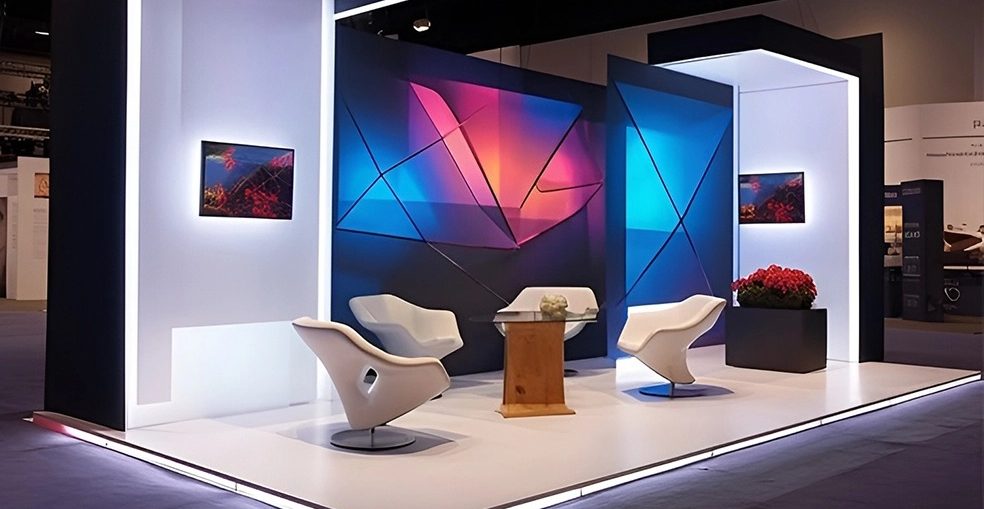
Marketing has shifted from a one-way broadcast to a two-way conversation. People now crave genuine interaction and memorable moments rather than passive advertisements. Experiential marketing answers this call by creating live, sensory-rich encounters that forge deep emotional bonds between people and brands.
These encounters leave lasting impressions that traditional media simply cannot match. This shift demands a new kind of strategic thinking and flawless execution. This is the central philosophy of a top-tier experiential marketing agency.
The foundation of clear objectives:
Every successful campaign starts with a crystal-clear objective. The agency works closely with the client to define what success looks like. Is the goal to increase product trials, build brand awareness, or foster customer loyalty? These objectives guide every creative decision and tactical move. Without a defined target, efforts become scattered, and results remain unmeasurable.
The power of audience insight:
Understanding the target audience forms the bedrock of any great experience. Agencies invest significant time in researching their audience’s desires, habits, and pain points. This research goes beyond basic demographics to uncover what truly motivates people. Knowing what makes an audience tick allows the agency to craft an experience that resonates on a personal level. The result is an event that feels tailor-made for each attendee.
The creativity of concept design:
With objectives and audience insights in hand, the creative process begins. This phase involves brainstorming innovative concepts that bring the brand story to life in a physical space. The best ideas are those that invite participation and create a sense of discovery. Every element, from the lighting to the interactive technology, is chosen to serve the core message. A strong concept ensures the experience is not simply seen but truly felt.
The logic of spatial planning:
A brilliant concept needs a logical and engaging physical layout. Spatial planning involves designing the flow of the event space to guide attendees naturally. The layout creates a seamless journey from the entrance to the main attraction and beyond. Strategic placement of activities and staff ensures maximum engagement and prevents bottlenecks. Good spatial planning makes the experience feel effortless and intuitive for every guest.
The precision of operational execution:
The most creative plan falls flat without flawless execution. Operational precision covers everything from logistics and staffing to technology setup and safety protocols. Agencies create detailed run-of-show documents that outline every minute of the event. Every team member knows their specific role and timing.
