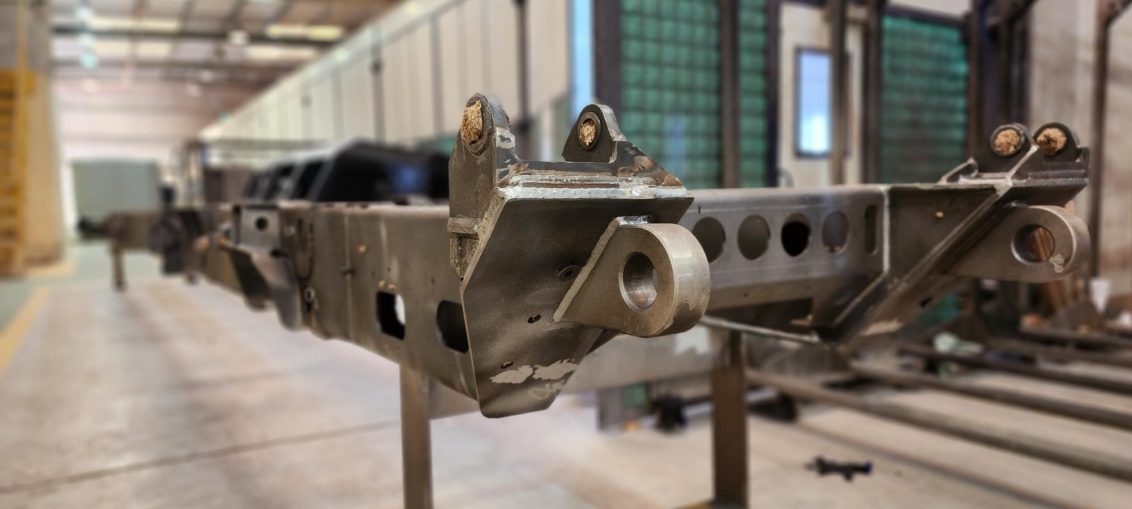
Growth brings excitement, but it also brings a heap of new challenges. Production volumes increase, timelines get tighter, and the margin for error shrinks to zero. A single mistake in material or process can stop an entire project in its tracks. Finding a partner who can handle this pressure is the key to steady progress. That partner is a reliable fabrication company.
Creating the blueprint for growth:
Every large project starts with a clear plan. The fabrication partner takes the initial design and turns it into a working blueprint. They look at the materials, the joints, and the finishes. They spot potential weak points before production begins. This early work saves time and money. It stops problems before they have a chance to appear. Proper planning turns a rough idea into a solid, buildable object.
Selecting the right materials:
Material choice makes or breaks a project. The fabrication team uses their experience to pick the correct metal or alloy. They consider weight, strength, and resistance to weather. Using the wrong material leads to cracks or rust. The right choice ensures the final product lasts for years. Good fabricators keep a stock of common materials. They can also order special ones for unique projects.
Employing modern tools and techniques:
Old tools cannot handle new demands. A reliable partner invests in modern equipment. Laser cutters deliver precise shapes. Robotic welders create strong, clean joints. CNC brakes bend metal to exact angles. These tools work fast and reduce human error. Advanced technology means parts fit together perfectly every time. This precision reduces the need for rework and keeps the schedule on track.
Streamlining production workflow:
A busy workshop runs on a careful order. Raw materials come in one door. Finished parts go out the other. The fabrication team plans each step to avoid delays. Cutting happens first, followed by bending, welding, and finishing. Workers move parts between stations quickly. They check quality at every stage. This smooth flow allows the shop to handle large orders without getting backed up.
Maintaining strict quality control:
Quality control is not an afterthought. It is built into every step. Inspectors check measurements with calibrated tools. They test welds for strength. They look for surface defects. Parts that do not pass the test go back for fixing. This constant checking ensures every piece meets the required standard. Clients receive parts that fit and work as intended.
